
Mastering the Client Consultation: What Every Lash Lift and Brow Lamination Pro Needs to Know
You can have the most perfect lash lift technique in the world, but if you can’t communicate with your clients during that first consultation, you’re going to struggle to book appointments and keep people coming back.
I’ve seen so many talented beauty professionals stumble through consultations because they simply weren’t taught how to do them properly. They know the technical stuff inside and out, but when it comes to sitting down with a nervous first time client and walking them through what’s about to happen? That’s where things fall apart.
The truth is, a good consultation does more than just gather information. It builds trust, sets expectations, and actually increases your rebooking rate. When clients understand exactly what you’re doing and why, they’re more likely to love their results and tell their friends about you.
What Makes a Consultation Actually Work
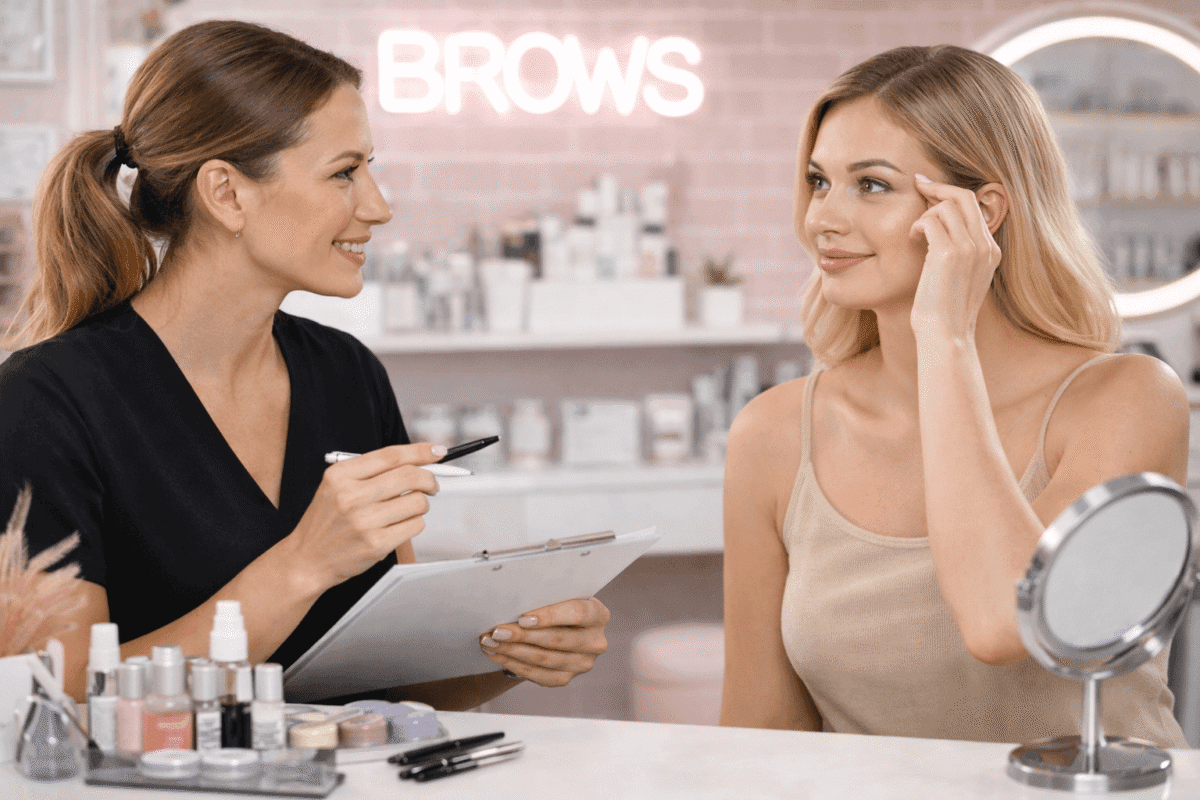
A consultation isn’t an interrogation. It’s a conversation where you’re positioning yourself as the expert while making your client feel heard and understood. The best consultations I’ve ever witnessed feel effortless, but there’s actually a structure to them.
You want to start by understanding what brought them in. Are they tired of using mascara every single day? Did their friend get a lash lift and they loved the look? Are they dealing with unruly brows that won’t stay in place? When you know their motivation, you can speak directly to what matters to them.
Assessing What You’re Working With
Then you need to look at what you’re working with. This is where your training really shows. You’re assessing lash length, curl pattern, and overall lash health for lash lift clients. For brow lamination, you’re looking at hair texture, growth pattern, and the shape they’re starting with. But here’s the thing: you can’t just look and stay silent. You need to explain what you’re seeing out loud.
Tell them “Your natural lashes have a nice length, which is going to give us a beautiful result” or “I can see your brow hairs grow in a few different directions, so the lamination is really going to make a difference for you.” When you narrate what you’re doing, clients feel included in the process instead of just being worked on.

Brow Lamination Online Course — Master 2026 Brow Trends
Learn the art of brow lamination with our U.S.-focused online course. Gain certification while mastering professional mapping, timing, and aftercare.
- Full brow lamination process explained in step-by-step video lessons
- Brow mapping, product usage & safe processing times
- Client consultation, safety guidelines & aftercare education
The Questions You Actually Need to Ask
Some beauty pros skip the health history questions because they don’t want to seem overly formal or because they assume everyone is fine. This is a huge mistake. You need to know about eye sensitivities, allergies, recent eye surgeries, or if they’re pregnant or nursing. These aren’t just liability questions. They directly impact whether you should perform the service and what products you can safely use.
Understanding Their Current Routine
I also always ask about their current routine. What products are they using on their lashes or brows? Are they using any growth serums? Do they wear contacts? This tells me so much about what their expectations might be and whether there are any potential issues I need to work around.
The Question Most People Forget
And here’s a question that many people forget: “What are you hoping to avoid?” Sometimes what a client doesn’t want is just as important as what they do want. Maybe they’re scared of looking overdone. Maybe they had a bad experience somewhere else. When you know their concerns upfront, you can address them directly.
Setting Expectations Without Sounding Negative
This is where a lot of newer professionals get tripped up. You want to be honest about what the service can and can’t do, but you don’t want to sound like you’re talking people out of booking with you.
The way I handle this is by focusing on what they will get rather than dwelling on limitations. Instead of saying “Lash lifts don’t work well on very short lashes,” I’ll say “With your current lash length, we’re going to see a nice lifted curl, and as your lashes continue growing, each lift will look even better.”
Discussing Maintenance and Longevity
You also need to talk about maintenance and longevity. If someone thinks their lash lift is going to last six months, they’re going to be disappointed when it starts to drop after six weeks. I tell every client that results typically last six to eight weeks, and I explain why. Natural lash shedding is normal, and as new lashes grow in, they won’t have the lift. This isn’t a flaw in the service. It’s just how hair growth works.
Same thing with brow lamination. I make sure people understand that the laminated look lasts about six to eight weeks, and they’ll need to apply a nourishing serum daily to keep their brows looking their best. When clients know this upfront, they’re never surprised, and they’re much more likely to rebook.
Recognizing Red Flags During Consultations
Your consultation is also your chance to spot potential problems before they happen. Learning to spot difficult client warning signs early can save you from challenging situations later.
Unrealistic Expectations
If someone shows up asking for results that aren’t physically possible, that’s a red flag. If they’re comparing themselves to heavily filtered Instagram photos, you need to have a gentle but honest conversation about realistic expectations. If they mention they’ve had the service done multiple times and hated it every time, you have to ask yourself whether you want to be the next person they’re unhappy with.
When to Say No
Sometimes the kindest thing you can do is recommend they wait or consider a different service. Not every client is right for every service, and that’s okay. Setting professional boundaries includes knowing when to say no.
Documenting Everything
Take notes during your consultation. Write down what you discussed, what the client’s goals are, and any specific concerns they mentioned. If you’re doing before and after photos (and you absolutely should be), make sure you have signed consent forms.
Why Documentation Protects You
This documentation protects you and also helps you provide better service. When a client comes back in eight weeks for their next appointment, you can review your notes and remember exactly what they loved or didn’t love about their last service.
Why This Matters for Your Business
Consultations might seem like just another step before you get to the actual work, but they’re actually one of your most powerful business tools. A client who feels heard and educated during their consultation is more likely to become a regular. They’re more likely to refer friends. They’re less likely to complain or leave negative reviews.
Natural Upselling Opportunities
Good consultations also allow you to upsell naturally. When you’re discussing their brows and you notice they could benefit from a wax and tint in addition to lamination, you can mention it right there. It’s not pushy. It’s professional advice based on what you’re seeing.
The Training You Need
Here’s the thing: most beauty training programs teach you the technical skills but rush through or completely skip client communication. That’s why finding a comprehensive brow lamination course online or lash lift course online that includes consultation training is so important.
You need to learn how to read a client’s face, how to ask the right questions, and how to explain your process in a way that builds confidence rather than confusion. These skills don’t come naturally to everyone, and that’s completely fine. They can be learned and practiced just like any technical skill.
Investing in Full Client Experience Training
When you invest in training that covers the full client experience from consultation to aftercare, you’re setting yourself up for long term success. You’re not just learning how to perform a service. You’re learning how to run a professional business that clients trust and return to again and again.
Your consultation sets the tone for everything that follows. Make it count.